Injury searches, answered
A daily article puts your practice on the page athletes actually read.
Google trusts a site that keeps publishing on a topic. Daily articles are how injury pages stop being lists and start being results.
Who we helpFor sports medicine practices
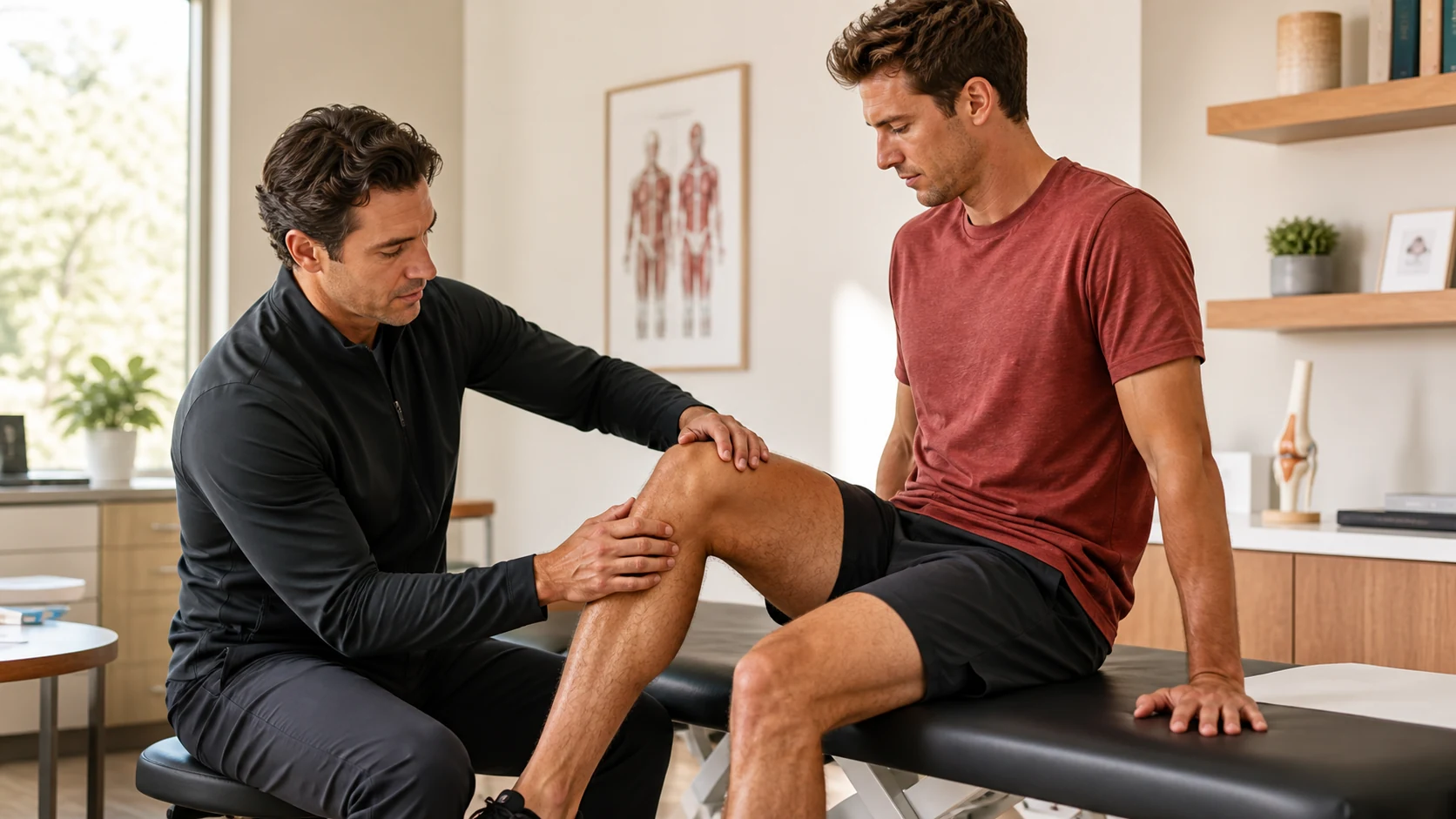
The moment someone gets hurt they search: "ACL tear symptoms", "how long is a hamstring strain", "sports medicine doctor near me". SirBoost turns your practice website into a daily article and native posts that answer those — produced, reviewed, and published for you — so you are the name they already know when they call.
Go
Start with one free day of original content
Consider it in production.
One article and 4 platform posts, written from your site, land in your inbox within 1 business day. Reply to it and a person answers.
In a nutshell
What to know
Sports medicine patients are motivated, impatient, and researching right now. The practice that has already published a clear answer to their exact injury — every day, in search and in the feed — gets the appointment. SirBoost does that from your own website.
Where most practices are today
Your website has a service list. Athletes and weekend warriors don't search a service list — they search the injury, in the language of the sport: "runner's knee won't go away", "tennis elbow brace or rest", "return to play after concussion". Those searches are answered by national sites and by the practice that publishes.
And most sports medicine marketing is event-driven: sponsor the 5K, staff the sideline, post a team photo. Great for goodwill; invisible on Google and gone from the feed by Monday.
Everyone knows the fix is consistent, useful content. Nobody in a busy practice has the hours to write a sound injury explainer and five posts a day, forever. That is where the plan dies.
Your sports medicine practice website
As it stands
Built once. Updated never. Not on page one for anything a customer types.
Not found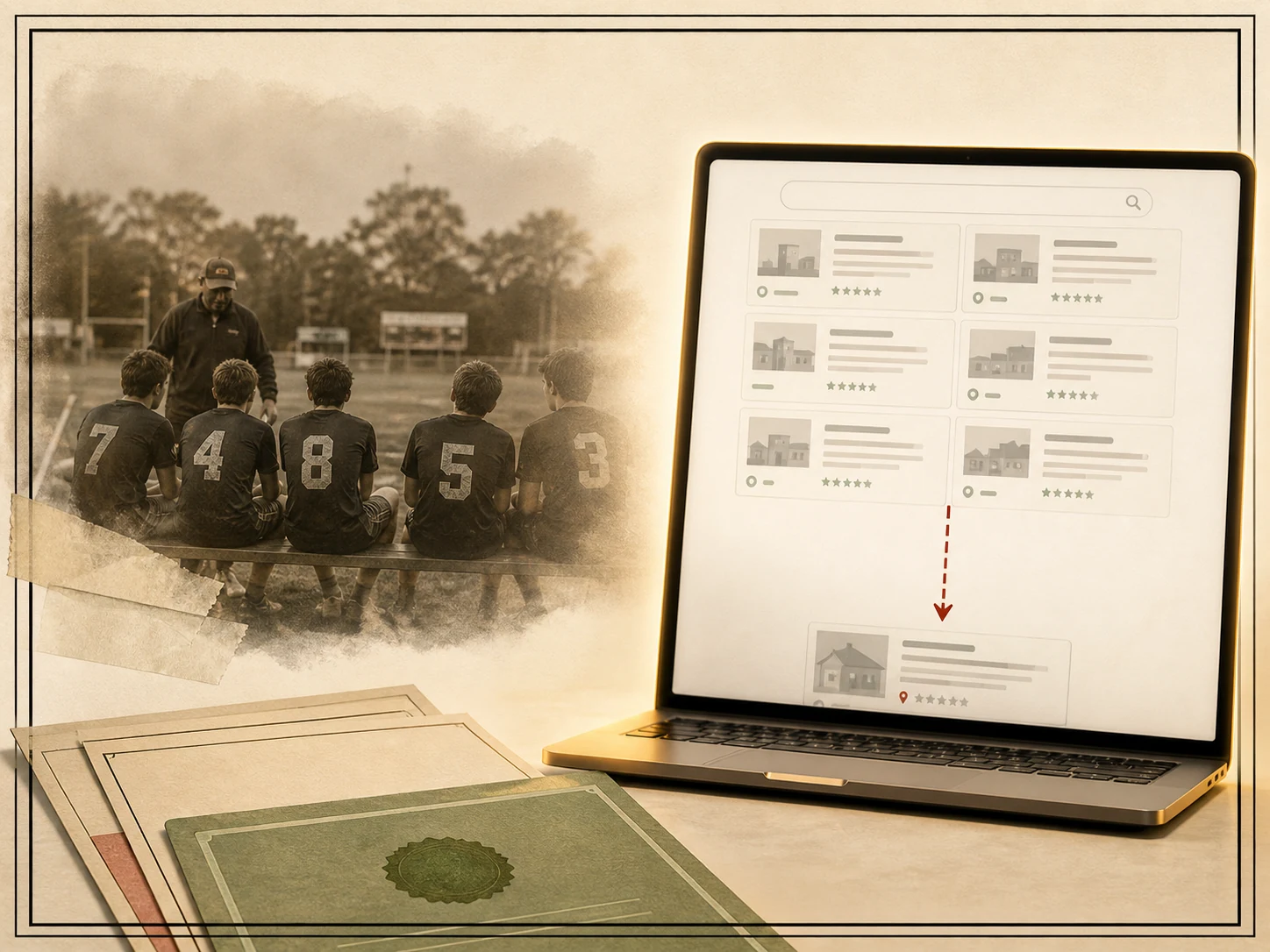
The searches you should own
What changes when your practice owns the answers to the injury searches happening in your area every day?
Every day SirBoost reads your website — your injuries treated, your procedures, your team — and produces one article that answers a real patient question in your clinical voice, plus native posts for LinkedIn, X, Instagram, and Facebook that carry it into the feeds. A person reviews every piece before it ships.
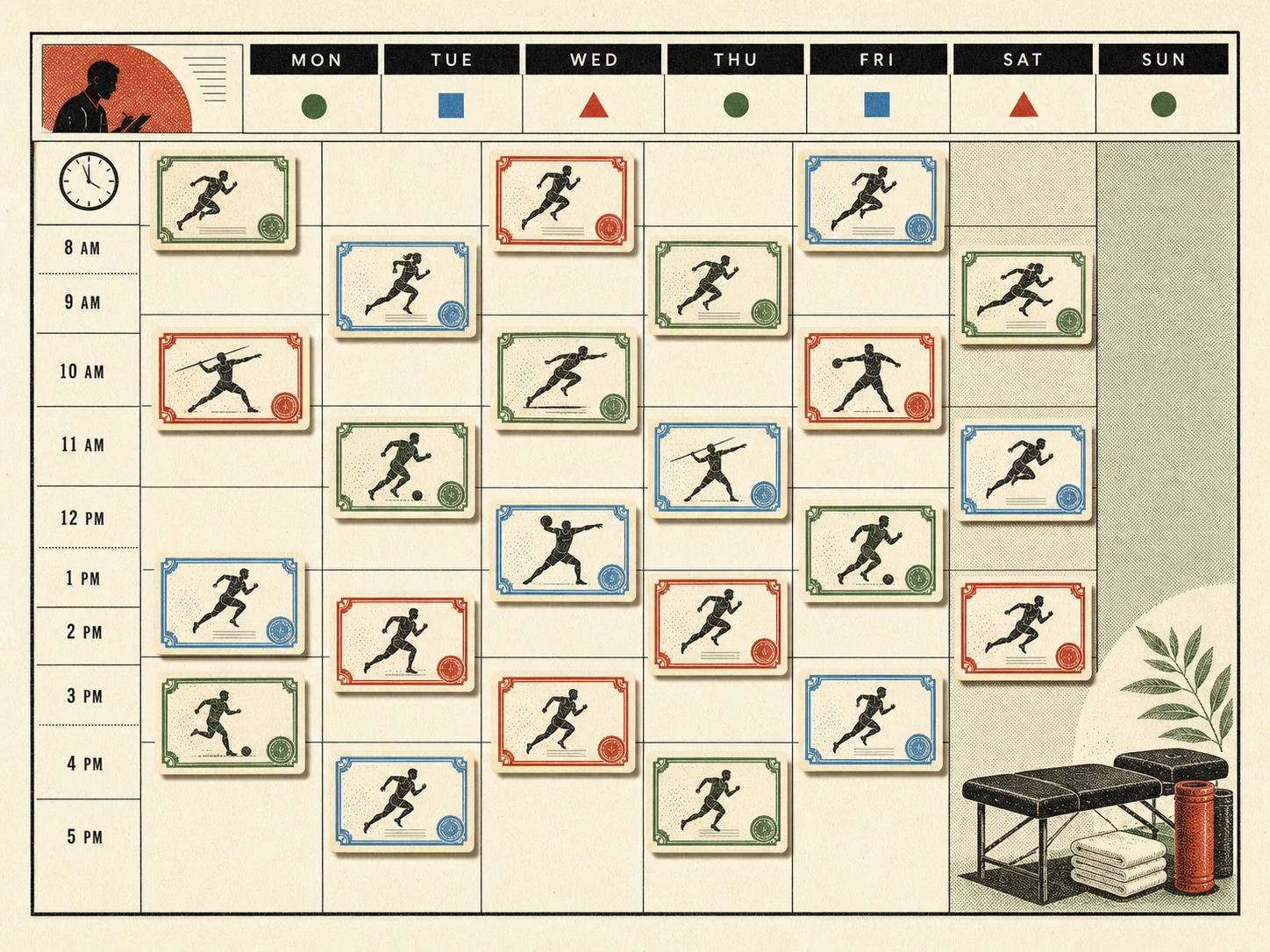
Over a month the cadence covers the whole body and the whole season — knees, shoulders, overuse, concussion, regenerative options — so every service line gets its own page instead of the one you found time for.
What you get
Injury searches, answered
A daily article puts your practice on the page athletes actually read.
Google trusts a site that keeps publishing on a topic. Daily articles are how injury pages stop being lists and start being results.
Cited in AI answers
When an athlete asks the AI about their injury, be the practice it quotes.
AI Overviews, ChatGPT, and Perplexity cite specific, current answers. A daily article that answers one real injury question is exactly what they lift — with your name on it.
Team and club referrals
LinkedIn posts that keep you in front of coaches, ATs, and PTs.
Athletic trainers refer to the practice they see. Daily professional posts keep you seen.
Original to your practice
Written from your injuries treated, your procedures, your voice — not a sports-med template.
Two practices in the same town get two different bodies of content, because the source and the strategy are different. Nothing generic, nothing a competitor could paste.
Feeds athletes actually follow
Instagram and X posts written the way athletes read.
From the day's article — quick, specific, useful. Not another team photo filling a gap.
Zero clinician hours
Reviewed by a person, killable by you, otherwise untouched.
You approve nothing and can veto anything before it goes out. The daily loop runs without your team.
What ships every day
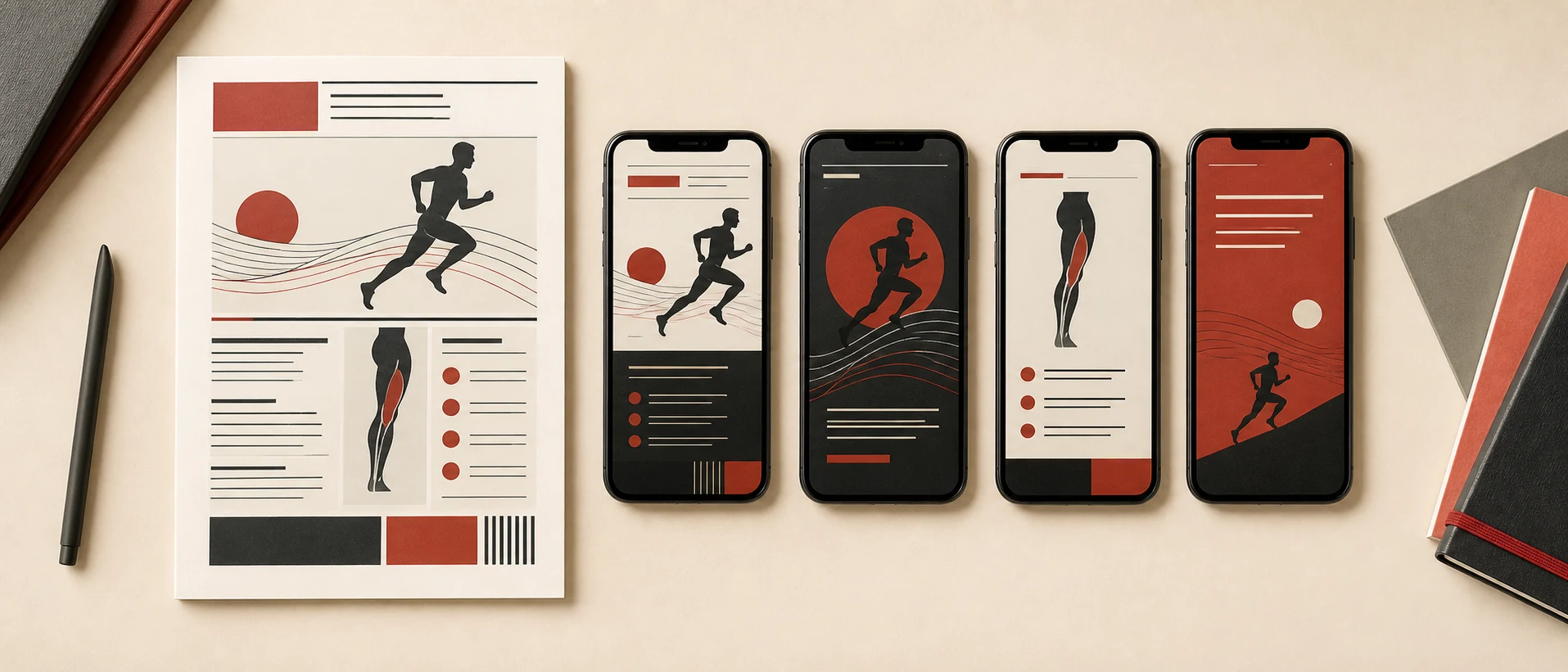
This is what one day looks like — the kind of article and posts the free Sample Day produces from your website. Every day after that is another set.
The article
Today's title
Hamstring strain: grades, realistic healing timelines, and how to come back without re-injuring it
For: rankings & AI citations
LinkedIn post
Today's LinkedIn post
The number one reason hamstring strains recur — and the return-to-play test we use before clearing anyone.
For: reach & social presence
X post
Today's X post
Hamstring strain timelines: grade 1 ~1–3 wks, grade 2 ~4–8, grade 3 months. The comeback matters more than the injury ↓
For: reach & social presence
Instagram post
Today's Instagram post
Pulled a hamstring? Save this: grades, timelines, and the mistake that gets you hurt again.
For: reach & social presence
Facebook post
Today's Facebook post
Hamstring strains keep coming back for one reason. Here is how long each grade really takes and how to return safely.
For: reach & social presence
Why you don't have this already
Content is a compounding asset and compounding is merciless about consistency. A practice that publishes daily for a year has hundreds of pages athletes land on; a practice that sponsored the marathon has a banner.
AI writing tools didn't fix that — they made drafting cheap and left the real work with your team: pick the angle, keep it clinically sound, adapt it per platform, post. Every day. Between patients.
So we run the whole loop. Your website is the source, a person reviews every piece, it ships on schedule, and you can kill anything before it goes out.
Day one is free
One original article and four native posts for your sports medicine practice, made from your website. On us.
Start my free day →An operated service, not a tool — a small number of businesses, a person reviewing every piece before it ships. The free sample is a real day's work: if it isn't good enough to post, don't post it, and we never bill you a cent to find out.
Questions
Posts start working the day they ship. Search traffic from articles typically builds over one to three months as pages index and rank, and keeps compounding as long as the daily cadence continues.
It is written from what your own website already says about your approach and injuries treated, and a person reviews every piece before it publishes. Nothing is invented, and you can veto anything before it goes out.
High-volume acute searches — ACL, hamstring, ankle, concussion — plus procedure research like PRP and other regenerative options that patients compare before booking.
Yes. Daily LinkedIn and Facebook presence keeps you visible to athletic trainers, coaches, and club administrators who decide where their athletes go.
Yes. Content can be produced per location or provider so each has its own presence, with one consistent brand voice.
None on the daily loop. Most practices glance at what shipped for a few minutes a week. There is nothing to approve unless you want to.
Nobody can guarantee a citation and we do not. What we publish every day is the kind of page those engines cite — a direct, specific, current answer to a real question, on your own site — and we keep doing it across your whole subject. The platform posts repeat the same answers under your name, which is how a business becomes something an assistant can describe and recommend.
No. Every piece starts from your own website — your services, prices, process, and voice — follows a strategy drawn from your market, and is checked by a person before it ships. If it could be about any other business in your category, it does not go out. You can veto anything.
One literal day of the service: a real article plus native posts for LinkedIn, X, Instagram, and Facebook, written from your practice website, delivered by email within one business day. Free, no card, no call.
By local business type